If you’re searching for a hair transplant clinic in RT Nagar, you’ve probably already noticed there’s no shortage of options. From established dermatology centers with decades of history to newer clinics advertising heavily on social media and running aggressive discount offers, the sheer number of choices can make it genuinely difficult to know who to trust with a permanent, surgical decision. RT Nagar, being one of Bangalore’s most well-connected and commercially active neighborhoods, has become something of a hub for cosmetic and hair restoration clinics over the past several years, which is both a blessing and a challenge for anyone trying to make an informed choice.
Choosing the right clinic isn’t just about convenience, price, or how polished a website looks. It directly affects your results, your safety, and how natural your hair looks not just immediately after the procedure, but years down the line as you age and your hair continues to change. A hair transplant is not a purchase you can easily return or redo without consequences, which makes the research phase far more important than most people initially realize. This guide walks through exactly what to look for when evaluating a hair transplant clinic in RT Nagar, the questions worth asking before you commit, and the red flags that should make you pause and look elsewhere.
Why Clinic Choice Matters So Much
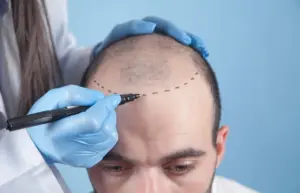
It’s worth starting with why this decision carries so much weight in the first place. A hair transplant involves permanently relocating living hair follicles from one part of your scalp to another. Done well, by a skilled team with the right technology and a thoughtful approach to design, the results can look completely natural and last a lifetime. Done poorly, whether due to inexperience, rushed technique, or poor planning, the consequences aren’t easily reversible. Scarring, unnatural hairline design, poor graft survival rates, and wasted donor hair are all real risks when a procedure is performed by an undertrained team or in a facility that cuts corners on safety and precision.
Because of this, the clinic and the people performing your procedure matter just as much as, if not more than, the specific technique used. Two clinics can offer the exact same technology and the exact same technique name on their website, yet produce wildly different results depending on the skill, experience, and attention to detail of the actual surgical team. This is why “what to look for” isn’t really about finding the clinic with the flashiest marketing or the lowest price — it’s about learning to evaluate substance over presentation.
1. Certified, Experienced Surgeons
The single most important factor in any hair transplant is who is actually performing the procedure. This might sound obvious, but it’s surprisingly easy to overlook in practice, especially when a clinic’s marketing focuses heavily on the technology used rather than the people behind it. Look for clinics where the surgery is performed or directly and continuously supervised by a qualified, experienced hair transplant surgeon, not delegated entirely to technicians with minimal medical training once the initial consultation is over.
Ask direct questions about the surgeon’s specific experience with hair restoration procedures, not just general dermatology, cosmetic surgery, or plastic surgery credentials. Hair transplantation is a specialized skill that benefits enormously from focused, repeated experience, and a surgeon who performs these procedures regularly is generally going to produce more consistent, natural-looking results than one for whom it’s a minor part of a broader cosmetic practice.
It’s also worth asking how many transplants the surgeon has performed, roughly how long they’ve been practicing specifically in hair restoration, and whether you can see genuine before-and-after results from their own patients, ideally with enough detail (multiple angles, consistent lighting, honest timelines) that you can actually judge the quality of the work, rather than a handful of dramatically lit, heavily filtered “hero” photos pulled from a stock library or borrowed from another clinic’s marketing material entirely.
A good clinic will be transparent and even proud to walk you through their surgeon’s background, training, and experience. A clinic that seems evasive when you ask these questions, or redirects you toward marketing materials instead of direct answers, is worth treating with caution.
2. Hygiene and Safety Standards
A hair transplant is a surgical procedure, even though it’s often performed under local anesthesia and doesn’t require a hospital stay. This means sterilization protocols, a clean operating environment, and proper safety measures aren’t optional extras or nice-to-haves; they are essential, non-negotiable components of a safe procedure. Infections, though relatively rare when proper protocols are followed, become a genuine risk when hygiene standards are lax, and they can compromise both your health and the survival of the transplanted grafts.
A reputable clinic in RT Nagar should be transparent and specific about their hygiene practices. This includes using single-use, disposable instruments where applicable, or properly and verifiably sterilizing reusable surgical tools between every single patient. The physical space itself should feel and function like a genuine medical facility, not a converted salon space with medical-sounding branding layered on top. This includes visible cleanliness, appropriate surgical lighting, proper waste disposal procedures for biological material, and staff who follow visible hygiene protocols such as gloves, masks, and sterile drapes during the procedure itself.
If a clinic seems evasive or vague about these details when asked directly, avoids letting you see the actual procedure room during a facility tour, or the space simply feels underwhelming or poorly maintained compared to what you’d expect from a medical setting, treat that as a serious red flag rather than a minor inconvenience to overlook because the price was attractive.
3. Technology and Techniques Offered
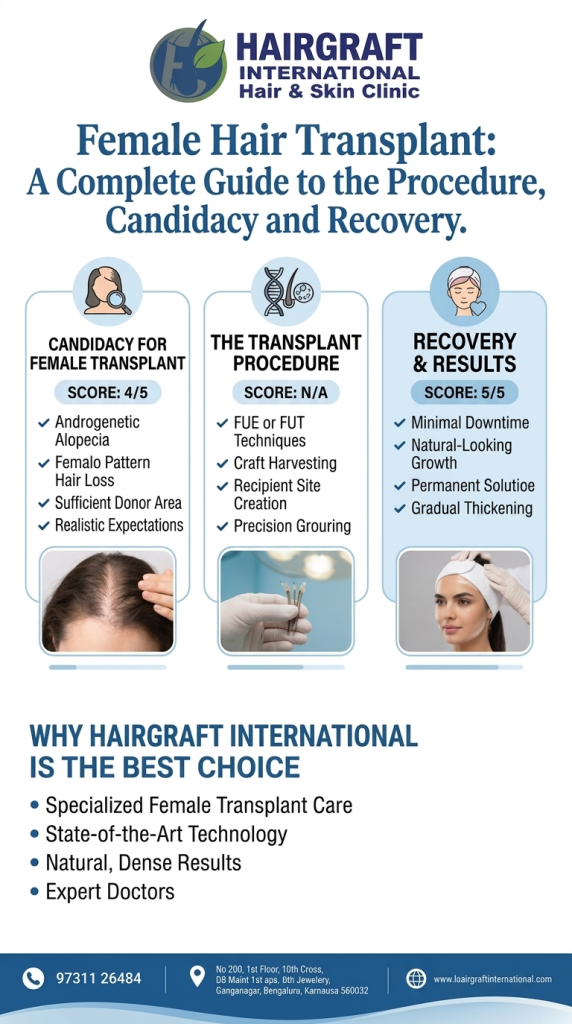
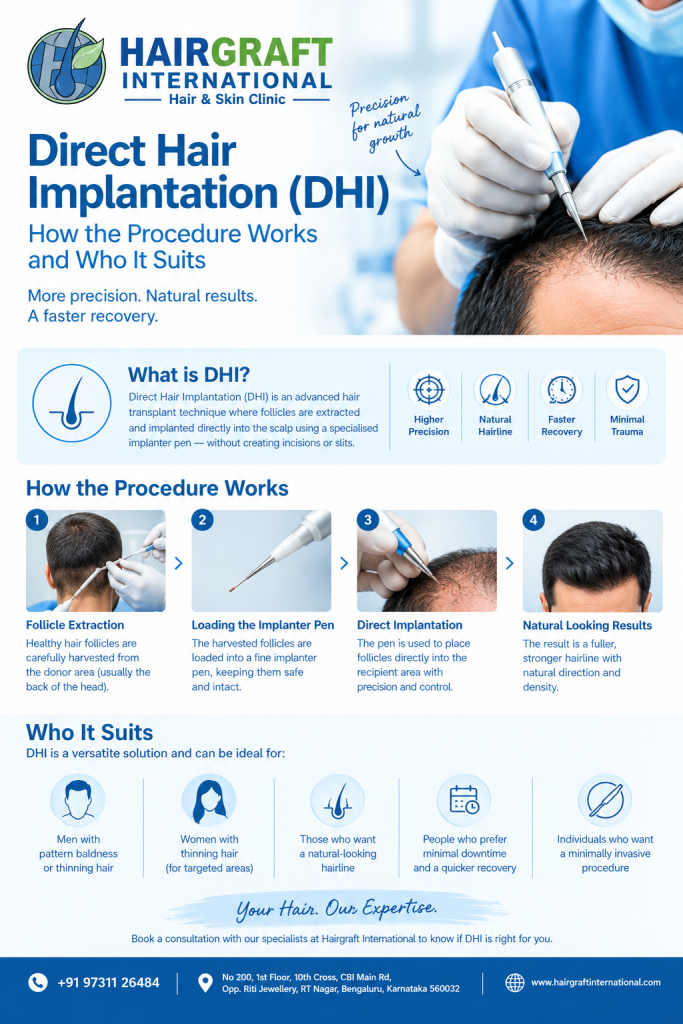
Hair transplant technology has advanced considerably over the past decade, and good clinics typically offer multiple techniques, most commonly FUE (Follicular Unit Extraction), FUT (Follicular Unit Transplantation, also known as the strip method), and increasingly DHI (Direct Hair Implantation), rather than pushing a single method on every single patient regardless of their specific hair loss pattern, donor supply, or personal preferences.
Different techniques carry different tradeoffs in terms of scarring, recovery time, cost, and the number of grafts that can realistically be transplanted in a single session. A clinic that only offers one technique, and insists it’s the right choice for literally every patient who walks through the door, may be optimizing for their own operational convenience rather than genuinely tailoring the approach to your individual case.
Ask what specific technology the clinic uses for graft extraction and implantation. Some clinics use motorized punches for extraction, which can improve speed and consistency; others rely more heavily on manual technique, which some surgeons argue allows for more precision and control, particularly in more delicate areas like the hairline. Neither approach is universally “better,” but a good clinic should be able to explain clearly why they use the tools and methods they do, and how that choice benefits your specific case rather than simply being the clinic’s default.
Most importantly, ask whether the recommended technique is genuinely based on an assessment of your hair loss pattern, donor availability, and goals, or whether it feels like a generic recommendation given to nearly everyone who books a consultation. A tailored recommendation, backed by a clear explanation of the reasoning, is a strong sign you’re dealing with a clinic that prioritizes results over volume.
4. Transparent, Honest Consultations
A trustworthy clinic gives you a realistic, honest picture of what’s actually achievable for your specific hair loss stage, donor supply, and goals, rather than promising dramatic, magazine-cover results to close a sale quickly. This is one of the clearest signals of a clinic’s overall integrity, and it’s something you can usually gauge fairly early in the consultation process, often within the first conversation.
During a proper consultation, the doctor (not a sales consultant or marketing representative) should examine your scalp directly, ideally with magnification tools that allow for a genuine assessment of follicle density and miniaturization, rather than relying on a quick visual glance from across a desk. They should explain your donor availability in specific terms, discuss how many grafts might realistically be needed to achieve your goals, and walk you through a treatment plan that’s tailored to you specifically, not a generic package pulled straight from a price list.
Be genuinely wary of clinics that skip a proper hands-on scalp evaluation entirely, rely heavily on photos or a brief phone conversation to “confirm” candidacy, or push you to book and pay a deposit immediately without giving you adequate time to ask questions, think things over, or compare options. High-pressure sales tactics, artificial urgency (“this discount ends today”), and reluctance to give you copies of your treatment plan or quote in writing are all signs worth taking seriously.
A clinic confident in the quality of its work generally has little reason to rush you into a decision. If anything, a good clinic tends to encourage patients to take the time they need, ask as many questions as necessary, and feel genuinely comfortable and informed before committing to surgery.
5. Proximity Matters More Than You’d Think
A hair transplant isn’t a single, one-time visit. It typically involves an initial consultation, the surgical procedure itself, and multiple follow-up visits over the following months to monitor healing, check on graft survival, and assess growth progress at different stages of recovery. In some cases, minor touch-up procedures or additional PRP sessions might also be recommended down the line.
Choosing a clinic that’s genuinely convenient to reach, such as one based in or reasonably close to RT Nagar if that’s where you live or work, makes it significantly easier to stay consistent with these follow-up appointments. This matters more than people often expect going in. A clinic that’s inconvenient to reach can lead to skipped or delayed follow-ups, which in turn can mean complications or concerns go unnoticed for longer than they should, and it generally makes the entire recovery experience more stressful than it needs to be.
RT Nagar’s central location within Bangalore, well connected to areas like Koramangala, HSR Layout, Old Airport Road, and CBD via metro and major roads, makes it a genuinely practical choice for residents across a wide stretch of the city, not just those living in the immediate neighborhood. This accessibility is a real, practical advantage worth factoring into your decision, alongside the more clinical criteria discussed above.
6. Genuine Reviews and Patient Testimonials
Look beyond star ratings alone when evaluating a clinic’s reputation. A 4.8-star average built on a small handful of reviews tells you very little, especially in an industry where reviews can sometimes be incentivized, exchanged for discounts, or in rarer cases, outright fabricated. Read through detailed, specific reviews across multiple platforms, including Google reviews, social media comments, and independent forums or discussion communities, to understand real patient experiences rather than a polished average score.
Pay attention not just to the final outcome patients describe, but to how the clinic handled the entire experience: how thorough and honest the initial consultation felt, how clearly the team communicated during the recovery period, and importantly, how the clinic responded if a patient raised concerns or complications after the procedure. A clinic’s handling of problems, when they inevitably do arise for some percentage of patients, often reveals far more about its integrity than how it handles things when everything goes perfectly.
A pattern of consistent, detailed, and specific positive feedback across a meaningful number of reviews is a much stronger signal of genuine quality than a handful of five-star ratings with vague, generic language and no real substance behind them (“great clinic, highly recommend” with nothing else specified is far less useful than a review that describes the actual consultation experience, timeline, and results in detail).
7. Pricing Transparency and What’s Actually Included
Cost is naturally a major factor for most people researching hair transplant clinics, but the headline price quoted during an initial call or ad is often far less useful than understanding exactly what that price includes. A genuinely transparent clinic will clearly break down what’s covered in your quoted cost, such as the consultation itself, the surgical procedure, any medications prescribed, and follow-up visits, versus what might be charged separately, such as PRP add-ons, additional grafts beyond an initial estimate, or touch-up sessions.
Be cautious of clinics that quote an unusually low headline price compared to the general market, only for the final cost to climb significantly once you’re further into the consultation or procedure process. This “bait and switch” pricing pattern is unfortunately common in a competitive, heavily marketed industry, and it’s one of the more frustrating experiences patients report when researching clinics after the fact.
Ask directly for a written, itemized quote before committing to anything, and compare it against quotes from at least one or two other clinics so you have a genuine sense of where the pricing sits relative to the broader market in Bangalore, not just relative to a single clinic’s own claims about being “the most affordable option in the city.”
Questions Worth Asking Before You Book
Coming prepared with the right questions can make a significant difference in how much useful information you actually get out of a consultation, rather than sitting through a largely scripted sales pitch. Some of the most useful questions to ask directly include:
Who will actually perform my procedure, the surgeon themselves or a technician working under general supervision? What specific technique do you recommend for my case, and what’s the reasoning behind that recommendation given my particular hair loss pattern? Can I see real, detailed results from patients with a hair loss pattern genuinely similar to mine, rather than the clinic’s most dramatic overall case? What does the aftercare and follow-up process actually look like in practice, including how many visits are included and over what timeframe? What’s included in the quoted price, and specifically, what circumstances might lead to additional costs beyond that initial quote?
A clinic that answers these questions clearly, specifically, and without hesitation is generally a good sign. Vague, evasive, or overly rehearsed-sounding answers are worth noting and factoring into your final decision.
Red Flags Worth Taking Seriously
Beyond the specific criteria above, there are a few broader red flags worth watching for throughout your research and consultation process. Extremely aggressive discounting or “limited time” offers designed to create urgency around what should be a carefully considered medical decision are worth treating with skepticism. Reluctance to let you speak directly with the surgeon, rather than only a sales or patient coordinator, before booking is another meaningful warning sign.
Photos that look inconsistent, overly polished, or that you can’t verify actually belong to the clinic’s own patients (a reverse image search can sometimes reveal stock or borrowed images) should raise questions. Similarly, a clinic that seems unable or unwilling to clearly explain its sterilization and safety protocols when asked directly is not somewhere worth trusting with a surgical procedure, regardless of how attractive the pricing or marketing might otherwise appear.
Why Hair Loss Concerns Are Especially Common Among RT Nagar Residents
RT Nagar is a well-established, largely residential neighborhood in North Bangalore, home to a mix of long-time resident families, working professionals commuting to nearby hubs like Hebbal, Sadashivanagar, Yeshwantpur, and the wider Outer Ring Road tech corridor. This blend of an older, settled population alongside younger working professionals means hair loss concerns in the area span a wide range of causes: genetic pattern baldness that tends to run in families and shows up earlier in men with a strong family history, alongside stress and lifestyle-driven thinning common among the newer generation of commuting professionals.
Bangalore’s air quality and hard water supply, both frequently cited by dermatologists as contributing factors to scalp irritation and hair thinning over time, affect RT Nagar residents just as they do much of the city, alongside the more significant role played by genetics and hormonal factors in most cases of pattern hair loss. None of this means environmental or lifestyle factors are the primary cause of hair loss for most patients, since genetics remains the dominant driver of androgenetic alopecia in both men and women, but it does help explain why hair loss is a consistent, ongoing concern across a neighborhood with such a broad age range and mix of lifestyles.
Understanding this context matters for one practical reason: a good clinic won’t just look at your scalp in isolation. A thorough consultation should also touch on your general lifestyle, sleep patterns, stress levels, and diet, since addressing these factors alongside any surgical or medical treatment tends to produce better, longer-lasting results than treating hair loss purely as an isolated cosmetic issue.
The Consultation Experience: What a Good First Visit Should Feel Like
It can help to know what a genuinely good first consultation actually looks like in practice, since this is often where you’ll gather most of the information needed to make your decision. A strong first visit typically starts with a detailed conversation about your history: when you first noticed thinning, whether it’s been gradual or sudden, any family history of hair loss, and any relevant health conditions or medications.
This should be followed by a hands-on scalp examination, ideally using a densitometer or similar magnification tool, so the doctor can assess not just the visible pattern of thinning but the underlying health and density of your donor area. A good consultation doesn’t end with a single number or package price; it includes a real conversation about the range of options available to you, from non-surgical treatments if your case is still early-stage, to a clear surgical plan with an honest graft estimate if a transplant is the appropriate next step.
You should leave a good consultation with a clearer understanding of your own hair loss than you had walking in, a written quote or treatment plan you can take home and review at your own pace, and no pressure to make a decision on the spot. If a consultation feels rushed, overly sales-driven, or leaves you with more confusion than clarity, that’s valuable information in itself, regardless of how convenient or well-reviewed the clinic otherwise appears.
Frequently Asked Questions
How do I know if a clinic in RT Nagar is genuinely qualified, and not just well-marketed?
Look past the website and social media presence entirely, and focus on the surgeon’s specific credentials and experience, the clinic’s transparency around hygiene and technique, and detailed, verifiable patient reviews. A short phone call asking direct questions about who performs the procedure is often more revealing than an hour spent browsing a clinic’s website.
Is it worth paying more for a clinic that’s slightly further from RT Nagar if it has a stronger reputation?
Generally yes, particularly for the surgical procedure itself. However, proximity becomes genuinely important for the multiple follow-up visits required afterward, so it’s worth weighing overall convenience for the full recovery period, not just the day of surgery.
How many clinics should I consult before making a decision?
Most patients benefit from consulting at least two to three clinics before deciding, since this gives you a genuine basis for comparison on both the technical recommendations and the overall consultation experience, rather than relying on a single clinic’s assessment in isolation.
Should I be concerned if a clinic recommends a different technique than another clinic did?
Not necessarily. Different surgeons may reasonably recommend different approaches based on their own experience and assessment. What matters more is whether each clinic can clearly explain the reasoning behind their recommendation specific to your case, rather than defaulting to whichever technique they happen to specialize in.
Choosing a Clinic in RT Nagar
RT Nagar’s central, well-connected location in North Bangalore makes it a genuinely convenient and practical option for residents across the surrounding neighborhoods, whether you’re coming from Hebbal, Sadashivanagar, Ganganagar, or further along the Outer Ring Road. But convenience should never come at the cost of quality, and location alone is never a sufficient reason to choose one clinic over another when something as significant as a permanent surgical procedure is involved.
The right clinic combines genuine accessibility with real medical expertise, transparent and honest communication throughout the consultation and treatment process, and a track record you can actually verify through detailed reviews, a real conversation with the surgical team, and a clear, itemized understanding of cost, rather than relying solely on a well-designed website, an aggressive ad campaign, or a heavily discounted introductory offer.
Taking the time to properly research and compare a small handful of clinics, rather than booking with the first option that appears in a search or social media ad, is one of the most valuable things you can do before committing to a hair transplant. The extra week or two spent comparing consultations is a small investment relative to a decision that will affect how your hair looks for the rest of your life.
—
Hairgraft International is proud to serve patients across RT Nagar and North Bangalore with the standards outlined in this guide: surgeon-led procedures, transparent consultations, and honest, individualized treatment planning. If you’re evaluating clinics in RT Nagar and want an honest, no-pressure assessment of your hair loss and options, book a free consultation with our doctors at Hairgraft International. We’ll walk you through exactly what’s achievable for your specific case, with complete transparency on process, technique, and cost, so you can make a genuinely informed decision rather than a rushed one.
📞 Call us at 97311 26484 to schedule your consultation.