Skin concerns rarely have a single fix. Acne, scarring, pigmentation, fine lines and dull skin each need a different approach, and with so many treatments available today, it’s easy to feel unsure where to start. This guide breaks down the main categories of skin treatment, what each one is actually for, and how they compare, so you can have a more informed conversation at your consultation.
Why “one size fits all” doesn’t work for skin
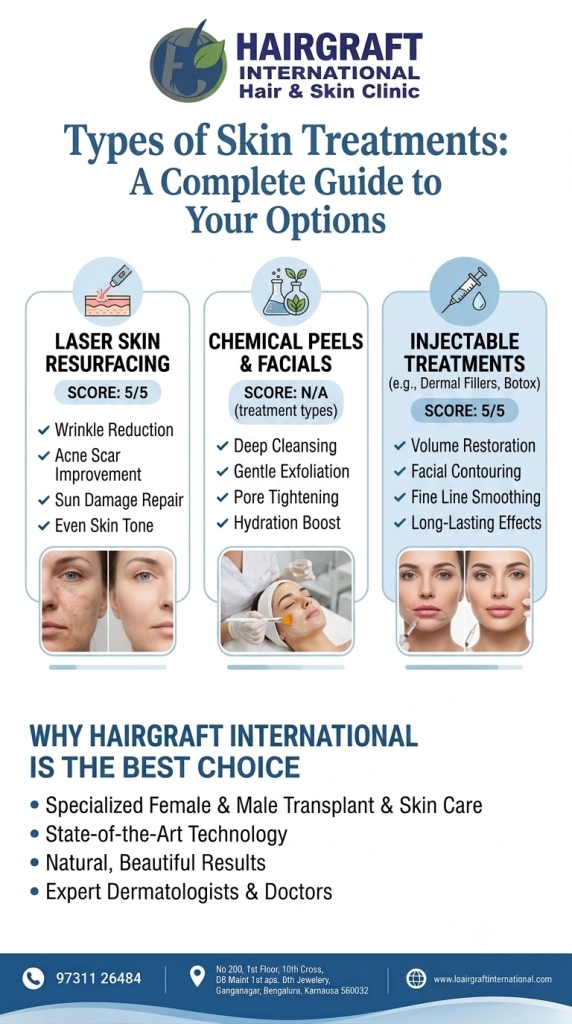
Skin treatments broadly fall into a few groups: those that exfoliate the surface, those that use light or heat energy, those that use injections, and those that are surgical. The right one depends on what you’re trying to treat; active acne needs a very different approach from ageing skin or old scarring, and using the wrong treatment can sometimes make things worse.
1. Peels: exfoliating treatments for acne, texture and tone
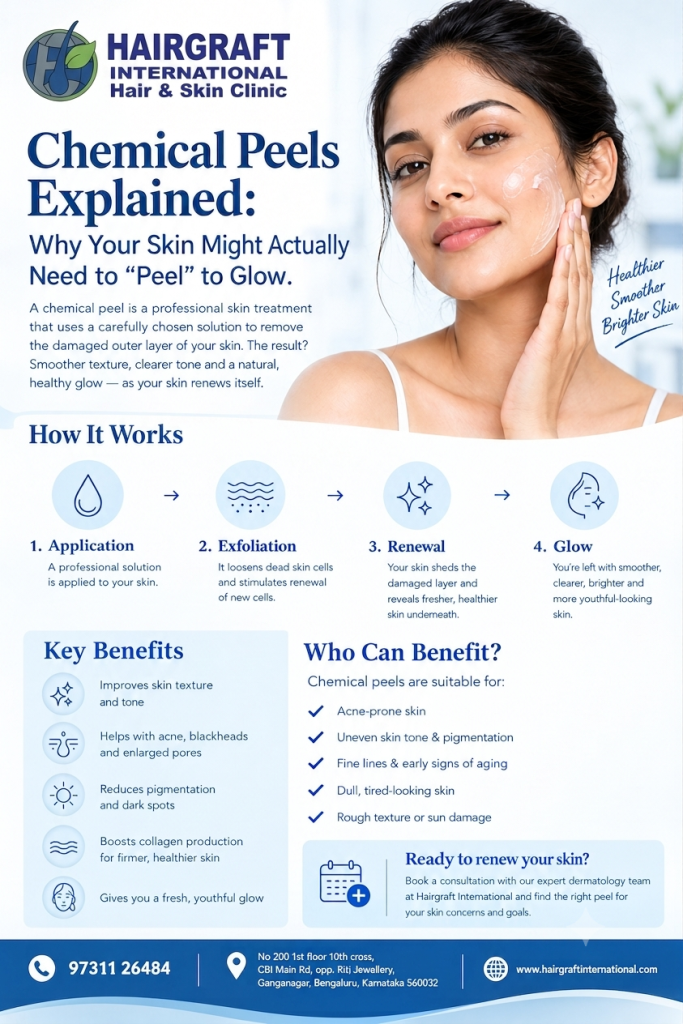
What they are: a chemical solution is applied to the skin to remove the outer, damaged layer, encouraging fresher skin to surface.
What they treat:
- Active acne and acne-prone skin
- Uneven skin tone
- Dullness and rough texture
- Mild pigmentation
Types:
- Acne peels: formulated specifically to control breakouts and reduce oil and inflammation.
- Chemical peels: used more broadly for smoother texture and scar reduction, at varying strengths depending on the concern.
- Peels for skin whitening: aimed at brightening overall tone.
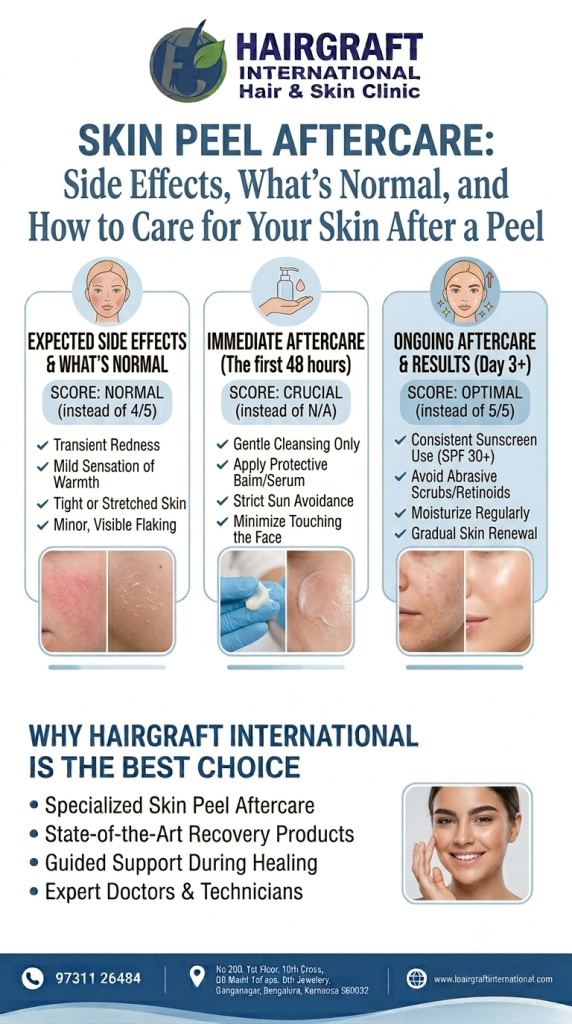
What to expect: mild redness or peeling for a few days, depending on the strength of the peel. Sun protection afterwards is essential, since freshly treated skin is more sensitive to UV.
2. Laser and light-based treatments
What they are: treatments that use focused light or laser energy to target specific layers of the skin, whether to resurface texture, break down pigment, or reduce hair growth.
What they treat:
- Laser resurfacing: improves overall skin texture and tone, and helps fade scarring by prompting new collagen production.
- Fractional laser: works well for pigmentation, delivering laser energy in a fine grid pattern so surrounding skin heals faster.
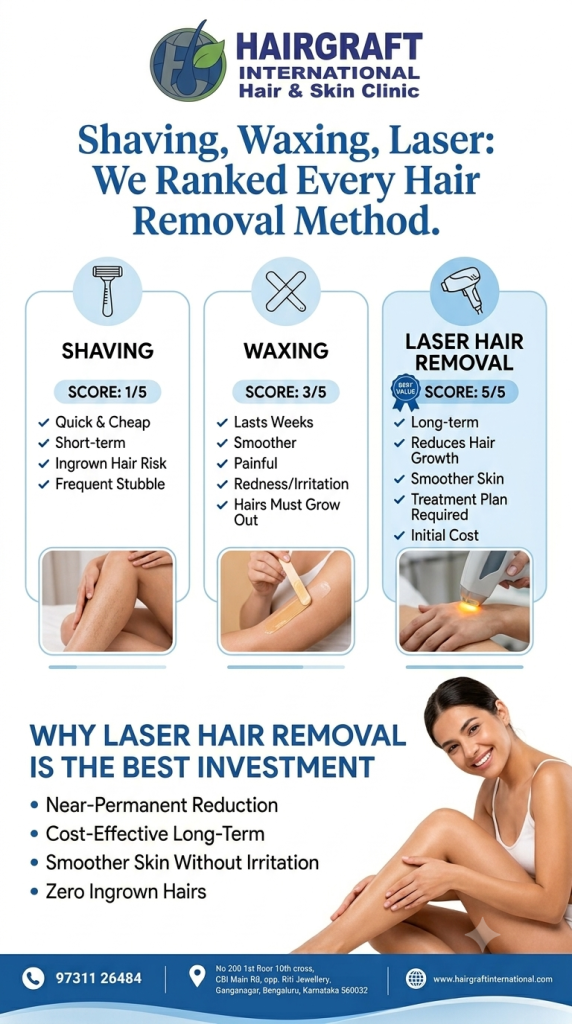
- Laser hair removal: reduces unwanted hair growth over repeated sessions (separate from skin resurfacing, but grouped here since it uses similar technology).
What to expect: results build gradually over a course of sessions rather than in one visit. Some redness or sensitivity is common immediately afterwards.
3. Microdermabrasion: mechanical exfoliation
What it is: a handheld device gently exfoliates the outer layer of skin using a fine abrasive tip or crystals.
What it treats: mild acne scarring, dullness, clogged pores and rough texture.
How it compares: it’s gentler than a chemical peel or laser, with little to no downtime, making it a good option for those wanting a quick refresh rather than a deeper correction.
4. Medi facials: clinical-grade facials
What they are: facials performed with clinical-grade products and techniques, going beyond a standard spa facial.
What they treat: dullness, uneven tone and early pigmentation, often used as a maintenance treatment between more intensive procedures.
What to expect: minimal to no downtime, making this an easy add-on to a broader skincare plan.
5. Injectable treatments: Botox, fillers and PRP-based options
What they are: treatments delivered via injection to relax muscles, restore volume, or stimulate the skin’s own repair processes.
Types:
- Botox: temporarily relaxes the muscles that cause dynamic wrinkles (like frown lines or crow’s feet), smoothing the skin’s surface.
- Dermal fillers: restore lost volume, soften static lines, and can enhance areas like cheeks or lips.
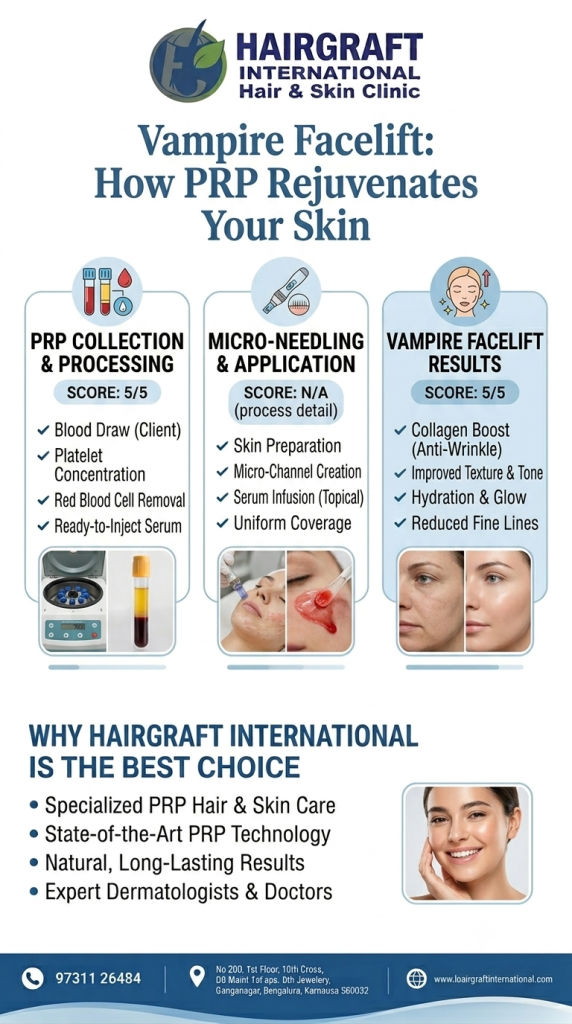
- Vampire facelift (PRP-based): uses the patient’s own blood plasma, rich in growth factors, injected into the skin to stimulate rejuvenation and improve texture over time.
- Mesotherapy: delivers a blend of vitamins, enzymes or other actives directly into the skin’s mid-layer, often used for skin tightening and rejuvenation.
What to expect: results from Botox and fillers are visible relatively quickly and are temporary, needing repeat sessions every few months. PRP-based treatments and mesotherapy work more gradually and rely on the skin’s own regenerative response.
6. Pigmentation-focused treatments
What they are: a category of treatments specifically aimed at correcting uneven pigmentation, dark spots and tanning.
What they include: medi facials, fractional laser and certain chemical peels, often combined depending on the depth and cause of the pigmentation.
A note on pigmentation: because pigmentation can have several causes (sun exposure, hormonal changes, post-acne marks), the most effective treatment plan is usually a combination rather than a single session.
7. Targeted cosmetic treatments
Some treatments are designed for a very specific concern rather than the whole face:
- Dark circle removal: addresses under-eye discolouration and hollowing, often using a combination of lasers, fillers or mesotherapy depending on the cause.
- Permanent makeup: semi-permanent pigment applied to define features like eyebrows or lips.
- Tattoo removal: uses laser energy to break down tattoo ink so the body can gradually clear it, usually requiring multiple sessions depending on the ink’s size, colour and depth.
8. Surgical skin and body procedures
Unlike the treatments above, these involve an operating room and a recovery period, and are used when non-surgical options can’t achieve the desired change:
- Rhinoplasty: reshapes the nose for aesthetic or functional reasons.
- Liposuction: removes stubborn, localised fat deposits that don’t respond to diet and exercise.
- Breast implants: increases or restores breast volume and shape.
These are genuine surgical procedures, done under anaesthesia, with a longer recovery timeline than any of the treatments above.
How to choose the right treatment
A few questions help narrow things down:
- What’s the actual concern? Active acne, old scarring, pigmentation, fine lines and volume loss each point toward a different category of treatment.
- How much downtime can you afford? Peels and lasers usually need a few days of recovery; microdermabrasion and medi facials need almost none; surgery needs the most.
- Is this a one-time fix or a maintenance routine? Botox, fillers and peels need to be repeated periodically. Surgical procedures are generally permanent, though skin continues to age around them.
- Is the concern superficial or deeper? Surface dullness responds well to microdermabrasion or a light peel. Structural concerns (like nasal shape or significant fat deposits) need a surgical solution.
Combining treatments
Many patients get the best results by combining more than one category, for example, a course of peels alongside mesotherapy, or laser resurfacing followed by a maintenance medi facial routine. This is why a proper consultation matters more than picking a treatment off a list: what looks like acne scarring might actually respond better to a different combination once a dermatologist examines the skin directly.
Honest expectations
No single skin treatment is a permanent fix for every concern. Injectable treatments wear off over months. Laser and peel-based treatments need a course of sessions, not one visit. Even surgical procedures don’t stop the skin’s natural ageing process around them. Realistic expectations, set at consultation, lead to far better satisfaction with results.
Frequently asked questions
Which treatment is best for acne scars?
It depends on the type of scarring. Chemical peels and microdermabrasion work well for mild texture issues, while laser resurfacing or fractional laser are usually better suited to deeper scarring.
Are these treatments painful?
Most non-surgical treatments involve only mild discomfort, often manageable with a topical numbing cream where needed. Surgical procedures are done under anaesthesia.
How soon will I see results?
This varies widely. Botox and fillers show results within days. Peels, lasers and PRP-based treatments build gradually over a course of sessions. Surgical results take weeks to months to fully settle.
Can I combine treatments in one visit?
Sometimes, depending on the treatments and your skin’s condition. This is best decided by the dermatologist at your consultation.
Is downtime different for each treatment?
Yes. Microdermabrasion and medi facials have little to no downtime. Peels and lasers may need a few days of recovery. Surgical procedures require the longest recovery period.
Book a consultation
The right skin treatment depends on an accurate diagnosis of what’s actually causing your concern, not just its appearance. Book a consultation with the team at Hairgraft International to find the treatment, or combination of treatments, that’s right for your skin.