Let’s talk about the word that scares half the people who consider a chemical peel: peel. It sounds dramatic, right? Like your face is about to do something out of a horror movie. Skin sliding off in sheets, walking around looking like a snake mid-shed for two weeks straight. I get why people hesitate.
Here’s the truth: a chemical peel is one of the most misunderstood skincare treatments out there, mostly because the name does it zero favors. What’s actually happening is far less dramatic, way more controlled, and honestly kind of brilliant once you understand the logic behind it. So let’s break it down properly — no jargon, no scare tactics, just what’s actually going on and what you can expect if you’re considering one.
Okay, But What Is a Chemical Peel, Really?
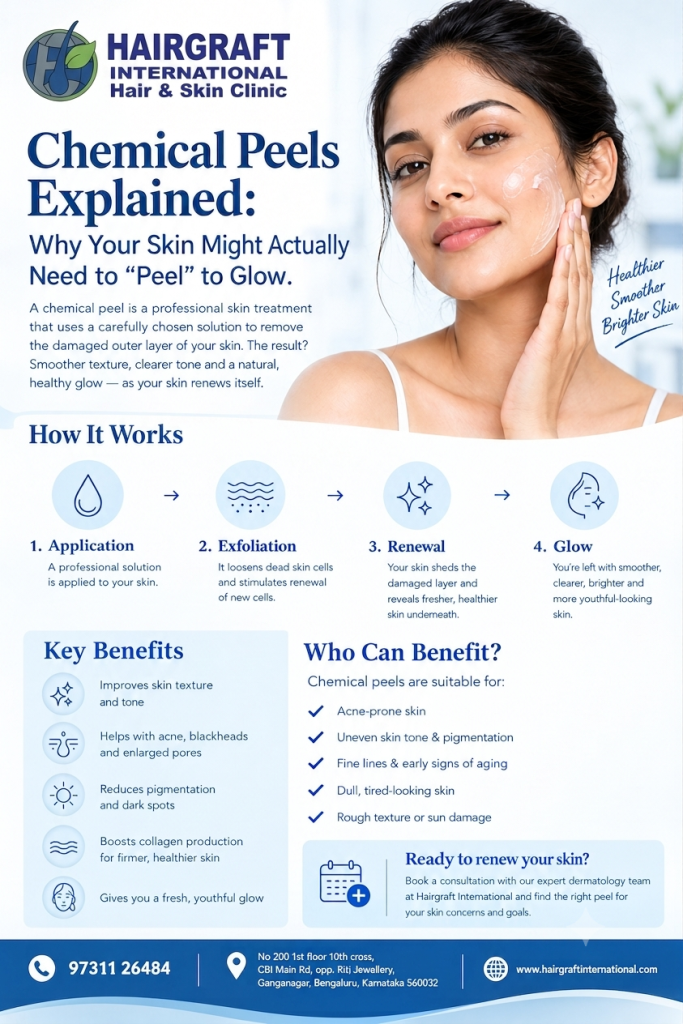
At its core, a chemical peel uses a controlled acid solution applied to your skin to speed up something your skin already does on its own: shedding old, dull, damaged cells and making room for fresh ones underneath. Your skin naturally turns over roughly every 28 days when you’re younger, but that process slows down significantly as you age, or gets disrupted by sun damage, acne scarring, or just general life. A peel essentially hits the fast-forward button on that process.
Think of it less like “removing your skin” and more like exfoliating, but with way more precision and depth than a scrub or a cleanser could ever achieve. The acid loosens the bonds between dead skin cells, encourages them to shed faster, and stimulates fresh collagen and new cell growth underneath. The result, once everything settles, is smoother texture, more even tone, less visible sun damage, softer fine lines, and honestly, just a healthier-looking glow.
Not All Peels Are Created Equal (This Is the Part Everyone Skips)
Here’s where most of the fear comes from — people picture one universal “chemical peel” experience, when really there’s a whole spectrum, and the type matters enormously.
Superficial peels are the gentle end of the spectrum. Think of these as a really good, slightly intense exfoliating facial. They target only the outermost layer of skin using mild acids like glycolic or salicylic acid at lower concentrations. There’s minimal downtime — you might look slightly pink for a few hours, like you just came back from a walk in cold weather, and that’s about it. Most people can do these on a lunch break and go straight back to their day.
Medium peels go a layer deeper, targeting not just the surface but into the upper part of the dermis. These are the ones that actually cause visible peeling, usually starting around day two or three. This is where real improvement happens for things like sun damage, acne scarring, and more stubborn pigmentation, but it comes with a proper recovery window.
Deep peels are the most intense version, reaching further into the skin to address more significant concerns like deep wrinkles or substantial sun damage. These aren’t a casual Tuesday-afternoon treatment. They involve real downtime, sometimes a week or more, and are typically a once-in-a-few-years treatment rather than something you repeat regularly.
The point is: “getting a chemical peel” can mean anything from “barely noticeable glow-up” to “please clear your weekend.” A good clinic will never just hand you a peel without first figuring out which category actually fits your skin, your goals, and your tolerance for downtime.
So What Does Recovery Actually Look Like, Day by Day?
This is the part nobody explains clearly, and it’s exactly why people panic. Let’s walk through a medium-depth peel specifically, since that’s the one that actually visibly peels and therefore causes the most anxiety.
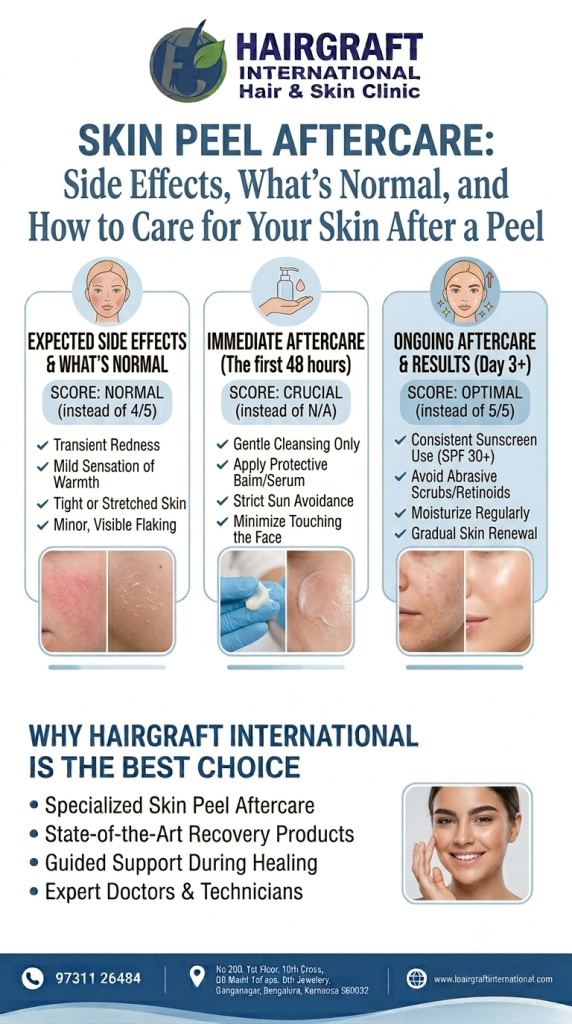
Day 0 (treatment day): Your skin will look pink to red, kind of like a moderate sunburn. It might feel tight or warm. Nothing dramatic yet — this is just the “we just did something” phase.
Day 1–2: The redness usually continues, and your skin might feel tighter, almost like it’s stretched over your face. Still no peeling yet. This is the anticipation phase, and it’s honestly the most boring part.
Day 2–4: Here it comes. Skin typically starts to visibly peel or flake, usually starting around the mouth and chin (the areas that move the most) before spreading. This is not the horror-movie sheet-shedding people picture — think more like after a mild sunburn, small flakes rather than large strips.
Day 4–6: Peak peeling. This is genuinely the part where you might want to work from home or skip a few social plans, purely because it can look more intense than it feels. It’s rarely painful at this stage, mostly just cosmetically inconvenient.
Day 6–7: Most of the visible peeling has finished, and underneath is fresh, pink, new skin. It might still look slightly flushed, but this is usually when people start seeing that “wait, my skin actually looks better” moment begin.
Week 2 and beyond: Skin continues to settle, tone evens out further, and the full results become more apparent as any lingering redness fades and the new skin matures.
Superficial peels obviously skip most of this drama — usually just a day or two of mild pinkness, no visible peeling at all in many cases. Deep peels stretch this timeline out considerably longer. But this middle-ground version is genuinely what most people picture when they imagine “getting a peel,” and honestly, it’s a lot more manageable than the mental image most people carry around.
Does It Actually Hurt?
Generally, no — “hurt” isn’t quite the right word for most peels. During the treatment itself, you’ll typically feel a tingling or warm sensation, sometimes described as similar to a mild sunburn setting in, occasionally with brief moments of more intense warmth depending on the peel strength. It’s uncomfortable in the “huh, that’s a sensation” way, not in the “I need to grip the chair” way, especially for superficial and medium peels. Deeper peels do involve more discomfort and are typically managed with proper numbing and monitoring by a professional.
Who Actually Benefits From a Chemical Peel?
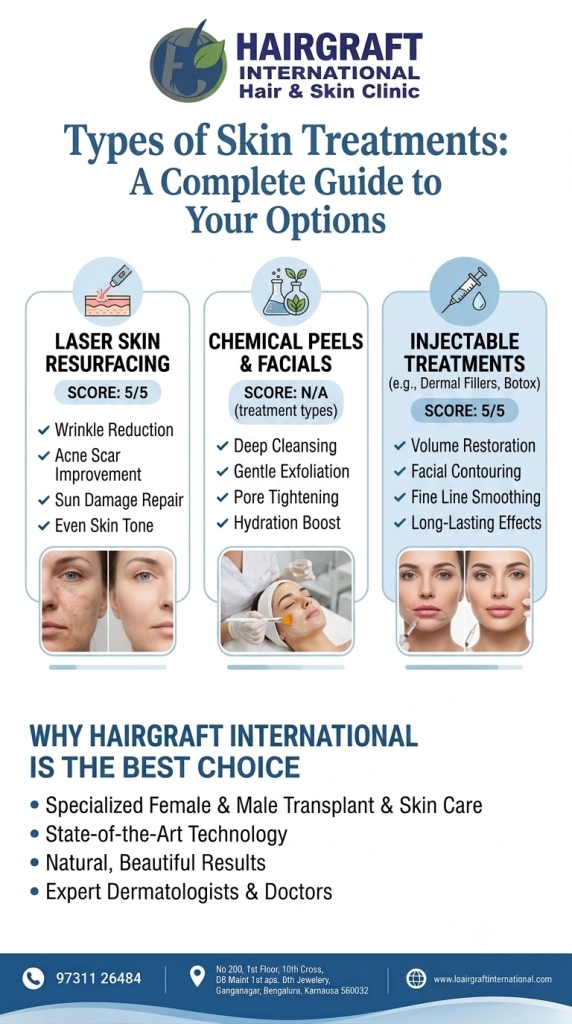
Peels aren’t just for people chasing a dramatic transformation. They’re genuinely useful for a wide range of concerns: dull, tired-looking skin that could use a reset, acne and the marks it leaves behind, sun damage and uneven pigmentation, fine lines that are just starting to show up, and general texture issues that makeup tends to sit unevenly on top of.
That said, peels aren’t automatically right for everyone. Certain skin conditions, active infections, recent sun exposure, or specific medications can make peels a poor choice at a given time, which is exactly why a proper skin consultation matters before booking one rather than picking a peel type off a menu yourself.
The Honest Bottom Line
A chemical peel isn’t your skin falling apart — it’s your skin being nudged to do, faster and more precisely, something it was already built to do. The “scary” name is doing a lot of unnecessary heavy lifting in people’s imaginations. Once you understand which type of peel actually fits your skin and goals, and you know what the week ahead genuinely looks like, it stops being intimidating and starts being just… a really effective skincare treatment with a slightly dramatic name.
Curious which type of peel would actually suit your skin? Book a free consultation with our team at Hairgraft International — we’ll walk you through exactly what to expect, with zero guesswork and zero unnecessary downtime.
📞 Call us at 97311 26484 to schedule your consultation.