“Is a hair transplant permanent?” is one of the most common questions people ask before committing to the procedure — and it’s also one of the most misunderstood. The short answer is yes, transplanted hair is permanent in a very specific, technical sense. But the full picture is more nuanced than a simple yes or no, and understanding the details can save you from disappointment down the line.
The Short Answer: Yes, But With an Important Caveat
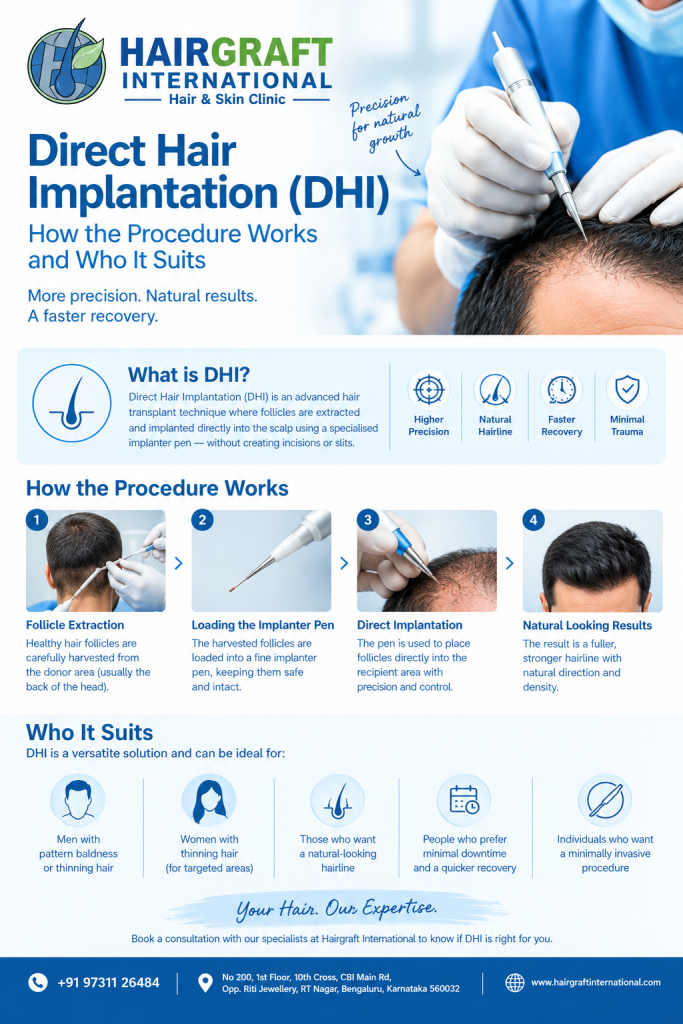
Hair transplants work by moving follicles from a donor area, usually the back and sides of the scalp, to thinning or balding areas. These donor follicles are genetically resistant to DHT (dihydrotestosterone), the hormone responsible for most pattern hair loss. Because this genetic resistance travels with the follicle wherever it’s moved, transplanted hair generally continues to grow for a lifetime, just as it would have in its original location.
The important caveat is this: the transplant is permanent, but it doesn’t stop the rest of your hair from continuing to age and thin naturally. Your native, non-transplanted hair remains just as susceptible to ongoing genetic hair loss as it always was. This is the single most misunderstood part of transplant permanence, and it’s worth understanding in detail before you go into surgery.
Why “Permanent” Doesn’t Mean “Your Hair Loss Stops”
Pattern hair loss is a progressive, lifelong condition for most people who experience it. A hair transplant redistributes existing healthy hair — it doesn’t cure the underlying hormonal and genetic process driving hair loss in the rest of your scalp. This means the hair surrounding your transplanted area, hair that wasn’t part of the procedure, can continue to thin over the years exactly as it would have without any transplant at all.
In practical terms, this can eventually create an appearance where the transplanted zone remains dense while the surrounding native hair continues to recede, sometimes described as an “island” effect if it isn’t planned for. This is precisely why experienced surgeons design transplants with future hair loss in mind, often being conservative with how low or aggressive a hairline is set, and why many patients continue medical treatments like minoxidil or finasteride after surgery specifically to protect and preserve the native hair around the transplanted area.
What Determines How Long Results Actually Last Well
Surgical technique and graft handling. Grafts are delicate, and how carefully they’re extracted, stored, and implanted directly affects how many of them survive and thrive long-term. Rushed or poorly handled procedures can result in lower graft survival rates, even if the follicles themselves were healthy to begin with.
Donor area health. Since donor hair is what makes the whole procedure possible, the health and density of your donor zone at the time of surgery plays a long-term role. A well-preserved donor area, one that hasn’t been overharvested in a previous procedure, supports better results, and leaves room for a future touch-up session if needed decades later.
Continued hair loss in surrounding areas. As covered above, this is the biggest factor affecting how “complete” your results look over time, even though it doesn’t affect the transplanted grafts themselves. Managing this with medical treatment is often the difference between results that look natural for decades versus ones that eventually look patchy or disconnected.
Aftercare in the weeks following surgery. Proper post-op care, avoiding trauma to the scalp, following the doctor’s instructions on washing and activity, directly affects graft survival in the crucial early weeks before follicles are fully secured.
Individual healing and biology. Some natural variation in graft survival rate exists between individuals, generally in the range of 90-95% survival for well-performed procedures, though this can be lower with less experienced teams or complicating health factors.
The Realistic Timeline You Should Expect
Transplanted hair doesn’t grow immediately, and understanding this timeline helps set realistic expectations for “how long results last” in the fullest sense. Most transplanted hairs actually shed within the first three to six weeks after surgery — this is normal and expected, not a sign of failure. New growth typically begins around month three to four, with steady thickening through months six to nine. Most patients reach their final, mature result somewhere between month eight and twelve, though some continue to see subtle improvements up to eighteen months out.
Once this full result has come in, it’s genuinely permanent hair that requires no special ongoing treatment to maintain, aside from the general hair and scalp care anyone would practice, and optionally, continued medical treatment to protect the surrounding native hair.
Do People Ever Need a Second Transplant?
Yes, though not because the first transplant “wore off.” A second procedure is sometimes recommended years later for one of two reasons: either the patient wants additional density beyond what the first session achieved, or ongoing native hair loss in areas surrounding the original transplant has progressed enough that additional coverage is wanted to maintain a consistent, natural look. This is a normal and fairly common part of long-term hair restoration planning for patients with more advanced or progressive hair loss, and it’s one reason experienced surgeons are often deliberately conservative with donor hair usage in a first session, preserving some donor supply for a possible future round.
How to Protect Your Results Long-Term
Continue any recommended medical treatment. Minoxidil and finasteride (where appropriate and prescribed) remain effective tools for slowing the loss of native hair surrounding your transplant, extending how natural your results look over the years.
Get periodic check-ins with your surgeon. Even years after a successful procedure, an occasional scalp assessment can catch new thinning early, giving you more options for managing it proactively rather than reactively.
Take general care of your scalp health. A balanced diet, reasonable stress management, and avoiding harsh chemical treatments or excessive heat styling all support the general health of both transplanted and native hair.
Set expectations honestly from the start. Understanding upfront that a transplant addresses the hair that’s moved, not the hair that’s left behind, leads to far more satisfying long-term outcomes than expecting the procedure to freeze your entire head of hair in time.
The Bottom Line
A hair transplant genuinely is permanent — the follicles that are moved will keep growing for life. What it doesn’t do is stop the natural aging or genetic thinning of the hair around it. The most successful, longest-lasting results come from realistic planning at the surgical stage, combined with continued care (and often medical treatment) for the hair that wasn’t transplanted at all.
Curious how your specific case would hold up long-term? Book a free consultation with our doctors at Hairgraft International — we’ll walk you through a realistic, honest plan built around both your transplant and the hair around it.
📞 Call us at 97311 26484 to schedule your consultation.